What You’ll Learn
Below, we break down the most eye-opening developments shaping the market right now. For the casual fan, this list will clarify what is hype and what is real progress. For the seasoned bettor, it spotlights the data points that can sharpen your strategy in 2025 and beyond
In the next few minutes you’ll discover:
-
The size of the legal betting economy in the United States and how quickly it is expanding
-
Global growth projections that hint at fresh opportunities outside U.S. borders
-
New product features and regulatory shifts every bettor should track
Each insight blends plain-English explanation with bite-sized numbers so you can absorb the gist fast, then dive deeper where it matters.
What is Sports Betting?
The sports betting market includes all legal and regulated wagering on athletic events, encompassing pre-game, in-play, parlay, and micro-bet formats offered by licensed operators to retail and online customers worldwide.
1. Licensed U.S. Sportsbooks Handled $150 B in 2024
The continued expansion of the U.S. sports betting market highlights not only rising consumer demand but also increasing operational efficiency among licensed operators. As more states refine their regulatory frameworks and digital platforms become more sophisticated, both betting volume and revenue generation are accelerating in parallel. Licensed operators across 33 reporting jurisdictions processed nearly $150 billion in 2024 handle and generated about $14.2 billion in revenue.
This strong performance is reflected in the following key growth metrics:
Those leaps matter because they fuel innovation, richer promos, and sharper odds as books fight for market share. Bettors benefit from deeper menus and better live-bet interfaces, while states collect extra tax dollars. The U.S. remains the world’s single hottest market, and the numbers show no sign of cooling.
For a deeper breakdown of the current U.S. gaming revenue and how these trends compare internationally, see How to Start an Online Casino with Minimal Risk. The U.S. remains the world’s single hottest market, and the numbers show no sign of cooling.
2. Global Market Value Could Hit $169.37 B by 2029
Outside America, the appetite for wagering is also accelerating. The worldwide sports betting business was valued at $98.36 billion in 2023 and is forecast to reach $169.37 billion by 2029, roughly a 9 % compound annual growth rate.
Why it matters:
-
Operators need scale to stay profitable, so expect more mergers and cross-border partnerships
-
Bettors gain access to niche leagues, alternate lines, and global pools that often feature softer odds
Stay alert to emerging markets like Brazil and India where regulation is loosening and fresh promo dollars flow in. For a wider perspective on emerging markets and where to play safely as a bettor or operator, check out Best Online Gambling Platforms in 2025: Where to Play Safely.
3. In-Play Betting Now Accounts for Roughly Half of All Action
In many European sportsbooks, live wagering already accounts for around 60% of total handle, setting a benchmark that U.S. operators are quickly working to match. The rise of quick-settling markets, ultra-fast data feeds, and micro-betting options—such as next pitch or next point—has transformed betting into a continuous, real-time experience. While this creates more opportunities to engage, it also increases the risk of impulsive decisions and rapid losses.
Pros suggest:
Summing up, in-play is convenient yet can erode bankroll discipline if you chase every momentum swing. For insights into building effective in-play and live betting offerings, including strategies for real-time risk, explore Top Online Gambling Platforms to Expand Your iGaming Business.
4. Same-Game Parlays Drive Bigger Margins for Books

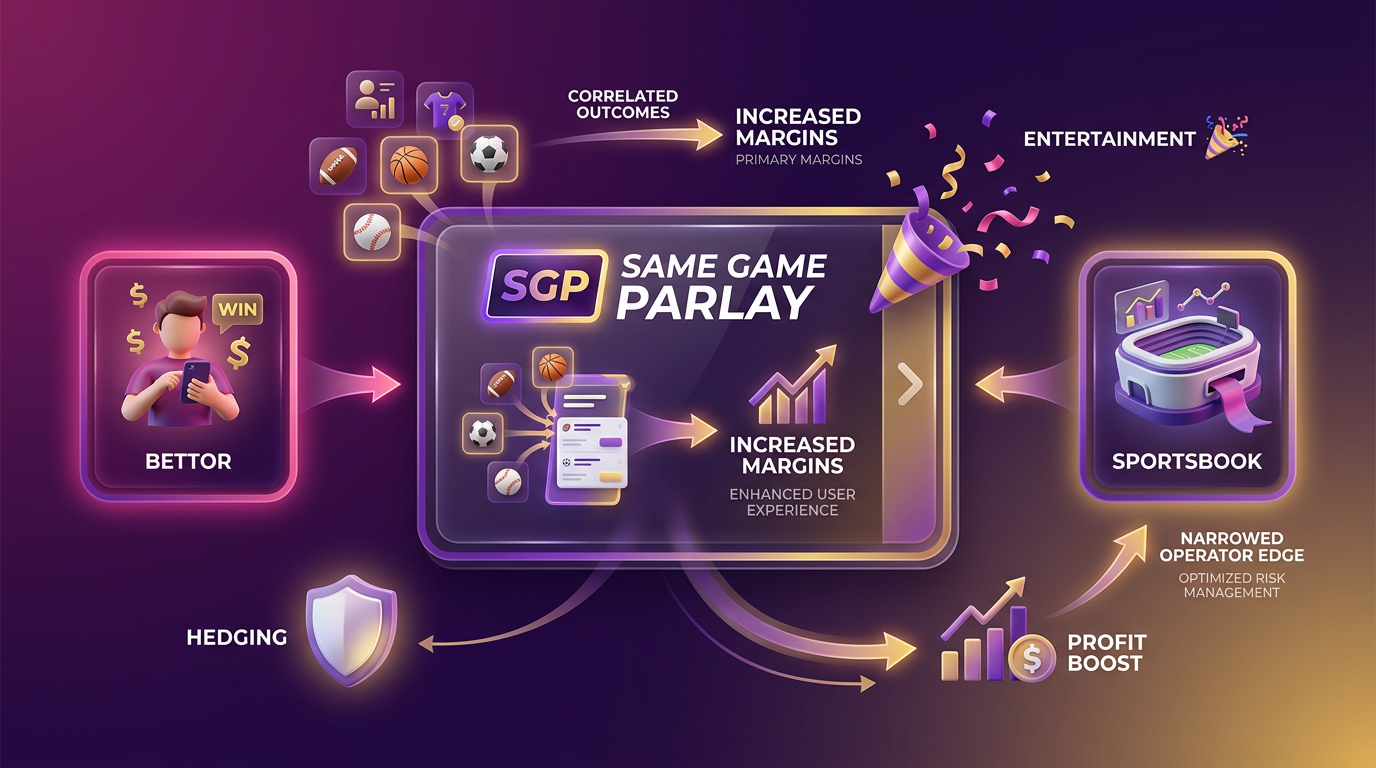
From the bettor’s view, Same Game Parlays (SGPs) feel like lottery tickets infused with sports insight—high risk, high reward, and highly engaging. For sportsbooks, however, they represent a significant revenue driver. By combining correlated outcomes into a single bet, operators can build in larger margins while still delivering the excitement bettors are looking for.
Key points:
-
Odds are often worse than the simple multiplication of legs would indicate
-
Promotional “profit boosts” can narrow the edge, though not remove it entirely
-
Savvy players use two-leg SGPs as hedging tools rather than seven-leg hail-Marys
Fun entertainment value, but keep stakes small relative to straight bets. For an operator’s playbook on growing sportsbook profits and leveraging new betting formats like parlays, see Top 5 Growth Strategies for Sportsbook Operators.
5. Micro-Betting: The TikTok of Wagering
Micro-bets on the next serve, pitch, or play align with increasingly short attention spans and the demand for constant engagement. Modern betting apps prioritize these markets, placing them front and center with real-time animations and instant updates. This creates a fast-paced environment where decisions are made in seconds, often with limited time for analysis. While this format enhances excitement, it also introduces unique risks that bettors need to understand before participating.
Before jumping in:
Used judiciously, micro-bets add excitement. Overused, they inflate the vig you pay.
6. Technology Arms Race: Streaming, Sensors, and AI Pricing
Bettors rarely think about the backend, yet modern pricing models operate at extraordinary speed, updating every few milliseconds as new data flows in. Advances in computer vision and on-field sensors now feed real-time information directly into trading systems, allowing sportsbooks to adjust lines almost instantly. This level of automation and precision is reshaping how markets behave and how quickly opportunities appear—and disappear.
Implications:
-
Sharper numbers mean reduced arbitrage windows
-
Prop menus expand to cover nearly every measurable stat
-
Personalized odds boosts appear based on your betting history
Expect your app experience to feel ever more customized, but also note books will know your tendencies better than you do.
7. Responsible Gambling Tools Are Becoming Non-Optional
Regulators and operators now view safer gambling as a baseline requirement rather than a competitive advantage. As the market matures, there is increasing pressure to protect users through built-in safeguards that promote responsible behavior. Modern platforms are expected to integrate these tools seamlessly into the user experience, making them easy to access and simple to use without disrupting engagement.
Most U.S. apps require easy access to:
-
Deposit, loss, and session-time limits
-
Cooling-off periods and self-exclusion lists
-
Real-time pop-ups when betting patterns signal risk
Use them. Setting a $ value stop before kickoff often saves headaches after a long day of bets gone south. For a full rundown on how top platforms integrate compliance, responsible gambling modules, and practical limits, take a look at Key Features to Look for in a Casino Platform.
8. College Sports Betting Faces Extra Scrutiny
States such as Ohio and Maryland already restrict or closely monitor prop betting on collegiate events, reflecting growing concern over athlete welfare and game integrity. As scrutiny increases, regulators are taking a more proactive stance to reduce risks tied to micro-level wagering and to safeguard both players and institutions from undue pressure.
Player harassment scandals and integrity concerns are pushing more jurisdictions to:
-
Ban individual college athlete props
-
Require universities to appoint integrity officers
-
Partner with monitoring services to flag suspicious line moves
For bettors, that means fewer college props and sometimes tighter limits on spreads or totals. Stay flexible with your strategy.
9. Women’s Sports Are a Sleeping Giant
Handle on WNBA and Women’s World Cup matches spiked in 2023, reflecting a surge in visibility, media coverage, and bettor interest in women’s sports. As sportsbooks race to expand their offerings, they are entering markets that are still relatively underdeveloped compared to major men’s leagues. This creates a unique environment where pricing can be less efficient and opportunities may emerge for more informed bettors.
Edges can be larger because:
-
Fewer data services cover the leagues, so odds can lag actual form
-
Public money is lighter, leading to less efficient lines
Watch this space: early adopters often enjoy softer spreads and healthier return on investment.
Conclusion
The numbers tell a crystal-clear story: legal sports betting is booming domestically and globally. Handle keeps climbing, technology sharpens lines, and new bet types pop up weekly. Armed with the nine insights above, you can navigate the frenzy with a cooler head, stretch your bankroll further, and enjoy the games without losing sight of the real score.