Overview
A single misstep—slow loading, clunky cashier, or missing live tables—can turn hard-won traffic into frustrated drop-offs. The seven essentials below reveal what a modern platform must deliver and how proven brands already put each feature to work. You will see the core tech pillars that keep cross-device casinos fast, frictionless, and profitable. Each section explains why the capability matters, offers real-world examples, and lists practical checkpoints to add to your own RFP or roadmap. By the end, you will know where to focus engineering budget and how to speak your provider’s language, whether you build in-house, choose a turnkey supplier like Smartbet LLC, or combine both.
What are the Essential Features of a Cross-Device Casino?
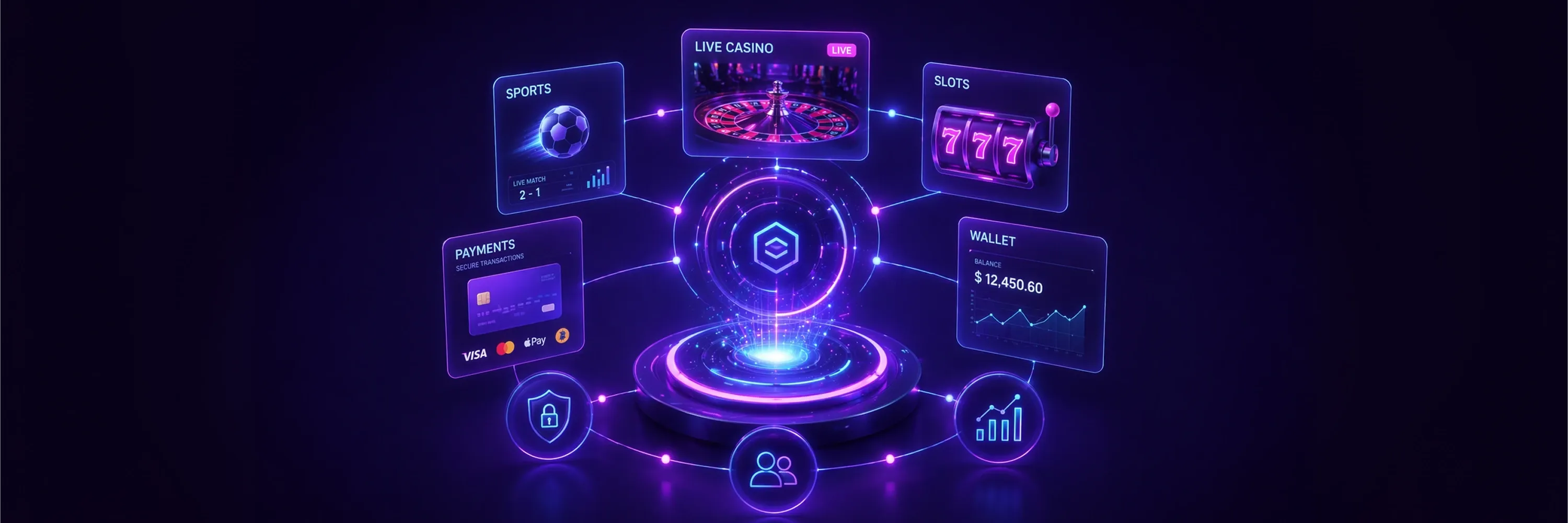
The essential features of a cross-device casino platform are 1) responsive web design, 2) native or hybrid mobile apps, 3) real-time live dealer streaming, 4) seamless multi-method payments, 5) unified player wallet, 6) enterprise-grade security with geo-fencing, and 7) analytics plus CRM automation for personalized engagement.
1. Responsive Web Design: One Codebase, Every Screen
Most online gambling activity now happens on mobile devices, which means the user experience on smaller screens directly affects retention and revenue. A responsive front end automatically adjusts layouts, images, and controls to fit any screen size, creating a smoother experience across phones, tablets, and desktops.
That requires:
-
Media queries that create fluid layouts for phones, tablets, and large desktop screens
-
Lazy loading that reduces page weight and improves performance on slower mobile connections
-
Gesture-friendly navigation that replaces hover-based controls with thumb-friendly interactions
The business impact is significant. A Baltic operator reported a 22 % jump in average session length after swapping a fixed-width lobby for a responsive React framework. Players stayed because they no longer pinched and zoomed.
Responsive design also reflects broader market behavior. Roughly 58 % of Europe’s online gambling revenue already comes from bets placed on mobile devices in 2024, so neglecting smaller screens means leaving money on the table. For an in-depth breakdown on crafting a smooth cross-device casino interface and how responsive/mobile-first design drives higher retention, see What Makes the Best Online Casino Website in 2026.
2. Native and Hybrid Mobile Apps: Deeper Engagement
While a responsive site is non-negotiable, many operators add iOS and Android apps to unlock push notifications, biometrics, and offline caching.
Benefits include:
-
Home-screen presence that boosts brand recall
-
Touch ID or Face ID logins, cutting sign-in friction
-
Push alerts for jackpots, live odds, or loyalty perks
-
Local storage to preload lobby assets and reduce data use
Operators can choose between different development approaches depending on budget and performance requirements. Hybrid frameworks such as Flutter and React Native reuse as much as 80 % of code, trimming rollout times. However, pure native still wins on advanced graphics and custom chip acceleration for live streaming.
Smartbet LLC clients often launch a web PWA first, then layer native apps once KPI targets justify the extra spend. This phased approach balances time to market with long-term retention. For a real-world guide to choosing between PWAs, native apps, and hybrid solutions—and practical KPIs for mobile casino rollouts—review Best Mobile Gambling Sites for On-the-Go Gaming.
A seamless live experience is the next critical piece.
3. Real-Time Live Casino Streaming

Live dealer tables powered by ultra-low-latency video consistently rank among the highest-grossing verticals. They combine the trust of a physical table with the comfort of home.
Key platform must-haves:
-
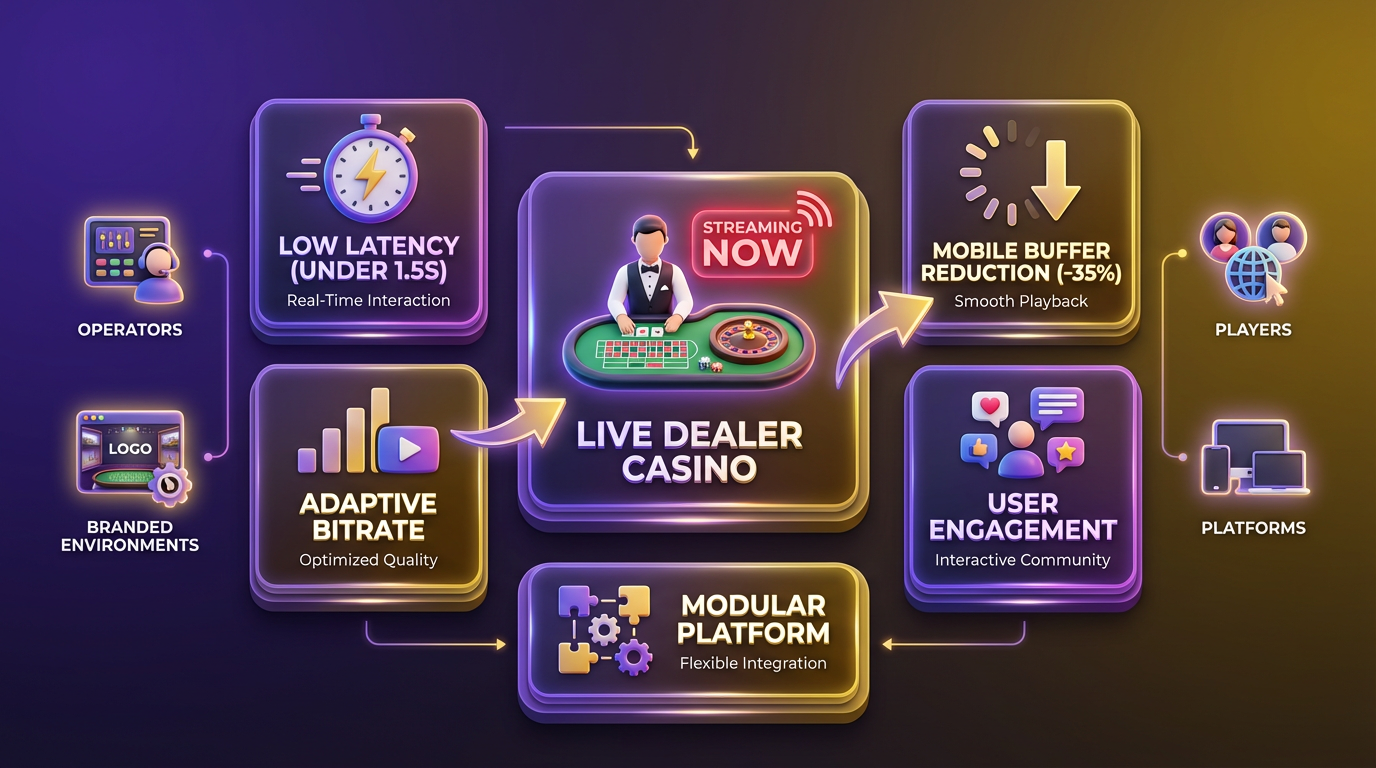
WebRTC or HLS streams under 1.5 seconds end-to-end
-
Studio switching to scale peaks (e.g., roulette during evenings)
-
Picture-in-picture mode on mobile so players can browse the lobby while staying at the table
-
Multi-camera angles for VIP seats
Example: Evolution’s adoption of adaptive bitrate streaming led to a 35 % lower buffer rate on mobile. Operators piggyback on the same principle when integrating independent studios or solutions like Smartbet LLC, which offers branded blackjack environments and API hooks for loyalty triggers.
For advanced live casino features like multi-camera tables, native-language dealers, and technical integration strategies, see The Rise of Live Gambling Games: What Operators Need to Know.
Live games boost dwell time but only pay off if transactions stay frictionless. Payment support is up next.
4. Seamless Payment Integration Across Devices
Players bail the moment deposits feel risky or slow. The platform’s cashier must mirror local payment culture and work flawlessly on six-inch screens.
Important factors:
-
Single SDK covering cards, e-wallets, bank transfers, and crypto
-
Tokenized card storage with PCI-DSS compliance
-
One-click re-deposits and automatic currency conversion
-
Dynamic country rules: show PayPal in Germany, UPI in India, ACH in the U.S.
Grand View Research notes that desktops still held the largest revenue share by device in 2024, but the same report shows the mobile segment will post the fastest CAGR through 2030. Future-proof payment flows must shine on both ends of the spectrum.
For a comprehensive overview of building multi-currency, multi-method payment flows (including crypto, local wallets, and instant KYC), explore Top Platforms for Multi-Currency Online Casinos.
Complete wallets pave the way for unified accounts, our next capability.
5. Unified Wallet and Cross-Device Player Accounts
Nothing kills momentum like logging in twice on different devices. A unified wallet preserves balances, bonuses, and open bets across desktop, mobile web, and apps.
Checklist:
-
SSO (single sign-on) via OAuth2 or SAML
-
Cloud-based session store shared across domains and apps
-
Real-time sync of free-spin vouchers, cashback, and wager requirements
-
Quick session takeover: scan a QR code on the desktop to open the same roulette table on mobile
A Caribbean sportsbook that introduced unified wallets saw a 17 % lift in cross-sell from sports to casino. Consistency pays.
To understand how modern platforms maintain seamless, synced player accounts and real-time wallet updates across channels, see How iGaming Software Providers Power Modern Online Casinos.
The next step ensures that cross-device growth does not invite regulatory headaches.
6. Security, Compliance, and Geo-Fencing
Multiple endpoints expand the attack surface. Certification bodies and regulators expect airtight protocols regardless of screen size.
Must-haves:
-
End-to-end TLS 1.3 encryption with HSTS preloading
-
Real-time behavioral risk scoring for fraud detection
-
GPS and Wi-Fi triangulation to enforce local betting laws
-
Automated KYC document capture via the device camera
-
Hourly audit trails signed with blockchain hashes for tamper evidence
With the global online casino market projected to hit USD 38.00 billion by 2030 at a 12.2 % CAGR, regulators will intensify scrutiny. A hardened, certified stack prevents costly downtime and brand damage.
Security alone does not drive revenue though. Insightful data makes all the difference.
7. Analytics, CRM, and Personalization
Modern platforms blend BI dashboards with event-level data to craft hyper-relevant offers.
Features to expect:
-
Real-time cohort funnels: see churn risk before it happens
-
A/B testing engine for lobby layout or bonus copy
-
Machine learning models that predict VIP potential within ten deposits
-
Multichannel CRM: email, SMS, in-app, and on-site widgets
-
Responsible gaming modules that track session length and suggest breaks
For a deeper look at automation, analytics, bonus budgeting, and actionable retention, explore Smart CRM, which offers dashboards, player segmentation, and workflows tailored for iGaming.
High-precision data closes the loop on platform excellence.
Conclusion
Cross-device success in iGaming comes down to seven tightly connected capabilities. Nail responsive design and dedicated apps, stream live games with minimal lag, keep payments effortless, sync player data across screens, enforce rock-solid security, and turn analytics into personalized action. With those pillars in place, operators can ride the industry’s next growth phase with confidence while delighting players wherever they log in.