Overview
This guide breaks down the initial and recurring costs for launching a crypto casino. You will learn about the expenses tied to licensing, software, payment integration, marketing, and daily operations. The market potential is massive, considering the online gambling sector is projected to reach $107.3 billion by 2024.
By the end of this article, you will have a clear blueprint to plan your budget. You will know exactly where to allocate your funds to launch a profitable and engaging gambling platform.
1. Initial Software and Platform Costs
Building the technical foundation is usually the most significant upfront expense for any crypto casino. You need a fast and secure platform to keep players engaged and coming back for more.
White-Label vs. Custom Development
The biggest choice you face is deciding between a ready-made solution or building a platform from scratch. This choice dictates your starting budget and your launch timeline.
If you build a custom platform, you will hire developers to code every single feature. This path gives you total control but easily costs upward of $100,000. White-label solutions are much more popular for new operators who want to launch quickly.
Smartbet LLC is an iGaming technology company that provides comprehensive online casino and sportsbook solutions for operators around the world. The company offers turnkey and white-label platforms, live casino streaming with professional dealers, a broad range of games, flexible sportsbook features, a powerful back-office system, API integration, advanced CRM tools, payment gateways, and affiliate/agent management. All these features are designed to help gaming businesses launch, manage, and scale their operations effectively in a competitive market.
For a deeper look into choosing between turnkey and white-label solutions, including what each model entails and how it impacts your costs and long-term flexibility, see How to Launch a Brand New Casino Quickly with a Turnkey Solution.
What a Crypto Casino Platform Really Costs
Understanding the real cost of launching a crypto casino requires looking beyond the initial price tag. Operators must account for development expenses, ongoing maintenance, and the financial trade-offs between building a custom platform and using a pre-built solution. These cost differences often determine whether a new project launches successfully or struggles before going live.
The costs generally break down like this:
-
Custom development: $100,000 to $300,000
-
Turnkey software platforms: $15,000 to $40,000
-
Monthly maintenance fees: $2,000 to $5,000
Consider a recent startup we will call CryptoSpin as a real-world example. They tried custom development but ran out of funds after six months of coding. They switched to a white-label provider and successfully launched in just four weeks for less than $25,000.
Ultimately, choosing a pre-built platform saves you money and gets your casino live much faster than custom coding.
Game Aggregation and Providers
Players expect hundreds of games, from classic slots to live dealer tables. Integrating these games individually is far too expensive, so smart operators use game aggregators.
Aggregators give you access to top game studios through a single setup. They charge a setup fee and take a monthly percentage of your profits. This model keeps your initial costs low while providing a massive library of games.
Expect these typical fees when setting up your games:
-
Aggregator setup fee: $5,000 to $10,000
-
Monthly revenue share: 10% to 15%
-
Premium live dealer access: Additional $2,000 monthly
Working with an aggregator keeps your game library fresh while keeping your initial setup costs highly manageable. Securing the right software and games is a major investment. However, it sets the perfect stage for a reliable and entertaining player experience.
Instead of connecting to fifty different game studios one by one, you can connect to a single aggregator API, which allows instant access to thousands of games from major and niche developers. Learn more about the benefits and technical simplicity of this approach in How iGaming Software Providers Power Modern Online Casinos.
2. Licensing and Legal Compliance
Operating legally is non-negotiable for a serious crypto casino. Proper licensing builds immediate trust with your players and protects your business from legal trouble.
Choosing the Right Jurisdiction
Your choice of license heavily impacts your starting budget. Different countries offer varying levels of prestige, cost, and strictness for iGaming operators. The most common choice for crypto casinos is Curacao. It is affordable and legally recognizes cryptocurrency transactions. A single Curacao license covers all types of gambling under one umbrella.
Here are the estimated costs for popular jurisdictions:
-
Curacao master license and setup: $15,000 to $20,000
-
Curacao annual renewal fee: $10,000
-
Malta Gaming Authority setup: $30,000 to $50,000
Starting with a Curacao license is usually the smartest financial move for a brand new crypto casino. For a comprehensive explanation of why many casinos opt for Curacao, including its single-license model, speed to market, and affordability, read Why Many Online Casinos Choose a Curacao License.
Legal Fees and Corporate Structuring
You also need to form a legal company to hold your gaming license. This step requires hiring local lawyers and registering a business entity in a crypto-friendly region.
Typical legal expenses usually include:
-
Company registration: $3,000 to $5,000
-
Legal consultation fees: $5,000
-
Annual corporate maintenance: $4,000
Most operators set up a company in Cyprus or similar jurisdictions to manage their corporate payments. You must pay for legal counsel, directors, and ongoing compliance. This structure is necessary because 78% of operators face strict annual compliance audits. Investing in good legal counsel upfront prevents costly mistakes and ensures your casino stays online permanently. Securing a license and proper legal structure might seem expensive. It is the only guaranteed way to build a sustainable gambling business.
3. Payment Integration and Security

Managing money efficiently is the lifeblood of your casino. Crypto casinos have a distinct advantage here, but the underlying technology still requires a solid financial investment.
Managing Crypto Wallets and Liquidity
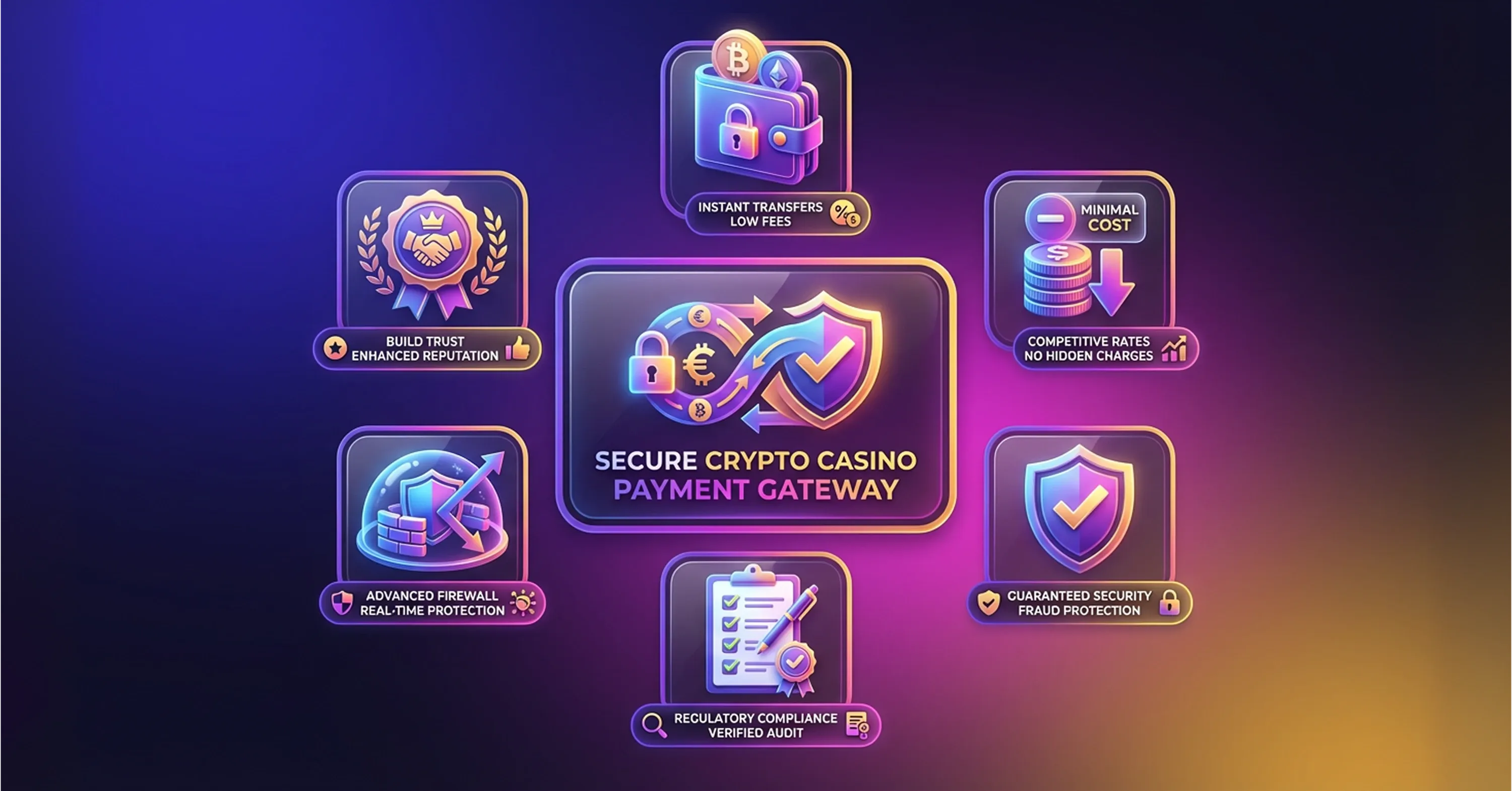
You must provide players with seamless ways to deposit and withdraw digital assets. This setup requires secure crypto payment gateways and solid cash liquidity. Crypto payments are popular because over 420 million people worldwide use digital currencies.
Crypto payments eliminate chargebacks and drastically reduce processing fees. However, you need a robust system to handle Bitcoin, Ethereum, and various stablecoins. You also need strong cash reserves to pay out large winners instantly.
Prepare for these specific payment costs:
-
Crypto gateway setup: $1,000 to $3,000
-
Gateway transaction fees: 0.5% to 1.5%
-
Initial liquidity pool: Minimum $30,000 to $50,000
To adapt to the future of online gaming with modern, flexible crypto payment options and see how seamless integration can boost retention, explore Crypto Casino. A fast and secure payment system keeps players extremely happy. It actively encourages them to keep betting on your platform.
Cybersecurity Measures
Crypto casinos are massive targets for hackers and malicious actors. Protecting your platform and your players' digital wallets is an absolute priority from day one.
Security expenses usually look like this:
-
Advanced DDoS protection: $500 per month
-
Regular security audits: $3,000 per audit
-
SSL and encryption: $200 per year
You need SSL certificates, DDoS protection, and secure server architecture. A single security breach can destroy your casino's reputation overnight. The threat is real, as global cyberattacks cost businesses $8 trillion annually. Spending money on cybersecurity is basically an insurance policy for your entire gaming business. When you combine smooth payment processing with ironclad security, you create an environment where players feel safe spending their crypto.
4. Marketing and Player Acquisition
Even the absolute best casino will fail if nobody knows it exists. Marketing is where many new operators vastly underestimate their required budget.
Affiliate Programs and Partnerships
Affiliate marketing is the main growth engine for the modern iGaming industry. Paying partners to bring you active players is a highly effective strategy. You will need affiliate management software to track clicks, signups, and commissions accurately. You only pay affiliates when they deliver real revenue, which greatly lowers your upfront financial risk.
The costs for an affiliate strategy include:
-
Affiliate software setup: $1,500 to $3,000
-
Monthly software license: $200 to $500
-
Affiliate commissions: 25% to 45% of net gaming revenue
For a breakdown of proven acquisition and retention strategies—including affiliate programs, data-driven analytics, and CRM modules—review How to Establish a Successful Gambling Company. Building a strong network of trusted affiliates is the most reliable way to drive consistent traffic to your new casino.
Influencer and SEO Campaigns
Getting attention on social media and search engines requires a dedicated, well-funded strategy. Crypto players frequently follow niche streamers and gambling blogs to find new sites.
Expect to spend heavily on these marketing channels:
-
Micro-influencer sponsorships: $2,000 to $5,000 per month
-
SEO and content marketing: $3,000 to $6,000 per month
-
PR and press releases: $1,000 per campaign
Streaming platforms like Twitch and Kick are huge for crypto gambling visibility. You will need a budget to sponsor smaller streamers and optimize your website for search engines. This is crucial since organic search drives over 53% of all website traffic. Consistent investment in SEO and targeted influencers will steadily grow your brand visibility and attract loyal players. Setting aside a large portion of your initial capital for marketing guarantees that your platform actually generates revenue.
5. Recurring Operational Expenses
Running a casino is a daily grind that requires money every single month. You must plan for these ongoing costs to survive your crucial first year of business.
Staffing and Customer Support
Players will have questions about deposits, bonuses, and game rules at all hours of the day. Providing excellent support is a massive competitive advantage.
Your monthly payroll will likely include:
-
24/7 customer support team: $4,000 to $8,000
-
Dedicated VIP manager: $3,000 to $5,000
-
Casino operations manager: $4,000 to $6,000
You need a 24/7 support team to keep players satisfied. You also need a casino manager to oversee daily operations and a dedicated VIP manager to pamper your biggest spenders. Hiring a competent and friendly team reduces player churn and directly increases your long-term profits.
Hosting and Server Maintenance
Your website needs to be lightning-fast, regardless of how many players log in at once. Cheap hosting will inevitably crash during peak traffic times.
Routine technical costs usually include:
-
Cloud hosting services: $500 to $1,500 per month
-
Developer retainer for maintenance: $2,000 to $5,000 per month
-
Third-party software subscriptions: $500 per month
Cloud hosting providers offer flexible plans that grow as your traffic increases. You also need to pay developers for bug fixes and routine software updates. Proper server maintenance guarantees a completely smooth gaming experience that keeps your players coming back.
Accurately forecasting your monthly operational burn rate is essential for surviving until your casino turns a healthy profit.
The Average Cost to Launch a Crypto Casino
If you want the short answer on total budgeting, here is the clear breakdown. You need to plan carefully before spending a single dollar on your new venture.
How much does it cost to start a crypto casino? On average, starting a crypto casino costs between $50,000 and $150,000 for the initial setup. This budget covers your white-label software, a Curacao gambling license, legal structuring, basic marketing, and an initial liquidity pool. You should also hold at least $30,000 in cash reserve for your first few months of operational expenses.
Knowing this financial baseline helps you secure the right funding before you officially launch your business.
Conclusion
Starting a crypto casino is an exciting venture with massive profit potential, but it requires careful financial planning. Your budget must comfortably cover software, proper licensing, secure payment gateways, and aggressive marketing. By understanding these exact costs upfront, you can build a highly entertaining platform that attracts loyal players and thrives in a competitive market.